China Accuses U.S. of Covert Seizure in 127,000 BTC LuBian Mystery
Summary
A resurfaced mystery: LuBian and 127,000 BTC
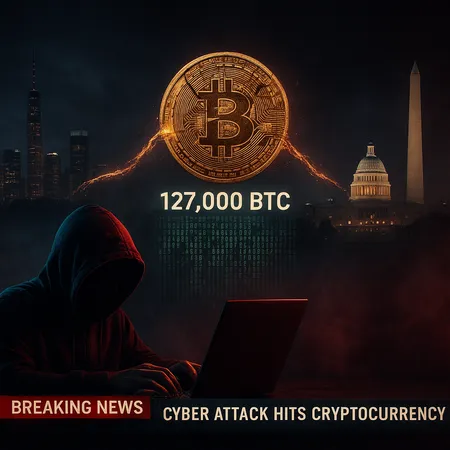
Years after the sudden disappearance of a major Chinese mining pool, LuBian, Beijing publicly accused the United States of running a covert operation that seized more than 127,000 Bitcoin. The announcement turns a cold-case on-chain anomaly into a diplomatic flashpoint, with officials framing the loss as part of broader strategic interference. For crypto users, miners, and analysts this is not only a forensic puzzle but also a reminder that the blockchain layer can intersect directly with interstate power plays.
What we know about the alleged operation
Public details remain thin. Investigators in China point to transaction patterns, timing, and wallet clusters they say are consistent with an organized extraction rather than private theft or insolvency. On-chain researchers have long mapped LuBian-associated addresses and flagged transfers that moved large balances through intermediary mixers and custodian-like wallets. While mixing and chain-hopping complicate attribution, Beijing's claim implies access to either private keys, trusted third parties, or legal mechanisms that allowed seizure without transparent cooperation.
Forensics, attribution and plausible scenarios
Attribution on-chain is inherently probabilistic. Possible explanations include insider compromise, covert legal seizure involving U.S. entities, or an undisclosed sale that was later obfuscated. Cryptanalytic teams will be pushed to re-examine wallet heuristics, timing analysis, and cross-chain flows. If states did leverage private custody or compelled intermediaries, it would set a precedent affecting how miners, custodians, and exchanges design controls and legal defenses. Expect renewed interest from forensic firms and more aggressive tracking of large, historic balances.
Geopolitical ripple effects and market implications
This allegation adds a political layer to crypto volatility. If investors view custody or mining as vulnerable to state action, risk premiums could rise for assets tied to certain geographies. Regulators may justify stricter controls, and miners could re-evaluate jurisdictional exposure. The broader DeFi and service ecosystem — including peer-to-peer platforms and custodial apps — will need to clarify protections and incident response plans. Platforms like Bitlet.app that offer settlement and exchange features may see heightened demand for transparency and multi-jurisdictional compliance.
What comes next
We should expect diplomatic pushback, calls for transparent forensic reports, and possibly new sanctions or legal disclosures depending on proofs presented. On-chain watchers will publish deeper analyses; exchanges and custodians may tighten on-boarding and cold-storage attestations. For users and market participants, the takeaway is clear: crypto is not immune to geopolitics. Close monitoring of wallet movements, policy statements, and forensic releases will be essential in the weeks ahead.