Jack Dorsey's Block Enables Bitcoin Payments For Millions Of Square Merchants
Summary
Square rolls out Bitcoin payments to millions of merchants
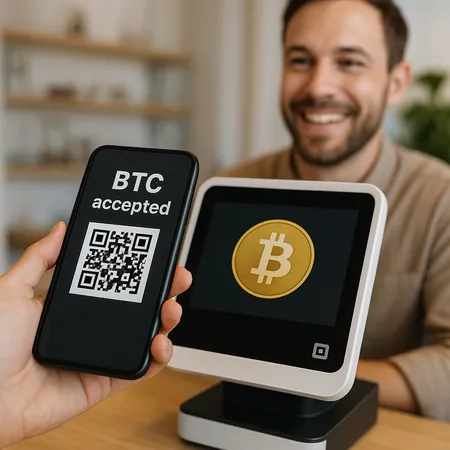
Block’s payments unit Square has activated a native Bitcoin payment option for small businesses, allowing merchants to accept BTC at the point of sale and manage digital assets alongside fiat balances. This move brings crypto acceptance into the everyday toolkit merchants already use for invoicing, receipts, and accounting — lowering friction for customers who prefer paying in Bitcoin.
What merchants will actually get
Square’s rollout focuses on ease of use and integration. Merchants can accept BTC through the same point-of-sale workflows they use today, with digital-asset balances appearing alongside traditional transaction records. That consolidation makes bookkeeping less painful and reduces the need for separate wallets or third-party payment processors.
Payments, custody and accounting in one place
While Square’s announcement highlights acceptance and visibility, merchant questions will center on custody, settlement speed, and volatility management. Square historically offers conversion and custody options; merchants will watch whether they can opt for instant fiat settlement, keep Bitcoin on‑balance, or integrate with existing accounting systems. The choice between immediate conversion and holding BTC will shape how quickly businesses adopt the new rails.
Broader market implications for Bitcoin and crypto adoption
Allowing millions of merchants to accept Bitcoin at checkout expands real-world use cases and could increase on-chain activity over time. This is a constructive signal for the crypto market: merchant acceptance helps transform BTC from a speculative asset into a payment instrument. The update also meshes with growing interest across other crypto verticals — from NFTs to DeFi — by normalizing digital-asset flows within commerce and linking consumer demand to broader blockchain infrastructure.
Risks, compliance and merchant considerations
Acceptance comes with trade-offs. Price volatility, tax reporting, and regulatory compliance remain top concerns for small businesses. Merchants should evaluate settlement terms (instant fiat vs. crypto holdings), accounting treatment, and customer experience. Payment providers that combine clear disclosures with optional hedging or instant-conversion features will likely win faster adoption.
Why this matters and what to watch next
This rollout lowers the barrier for everyday Bitcoin payments and could accelerate merchant-level experimentation with crypto-based loyalty, tipping, or cross-border receipts. Services like Bitlet.app show how alternative crypto tools (installments, earn, and P2P exchange) can complement merchant offerings, creating a richer payments ecosystem. Watch for uptake metrics, settlement preferences, and whether competing payment platforms follow with similar integrations.
Block’s decision underscores a pragmatic approach: make Bitcoin payments simple for merchants first, then build additional product hooks. If adoption scales, the next year could see more commerce flows routed through crypto rails, reshaping parts of the payments landscape and nudging the broader crypto market toward everyday utility.