Square Flips the Switch: 4 Million Merchants Can Now Accept Bitcoin Payments Instantly
Summary
Quick snapshot
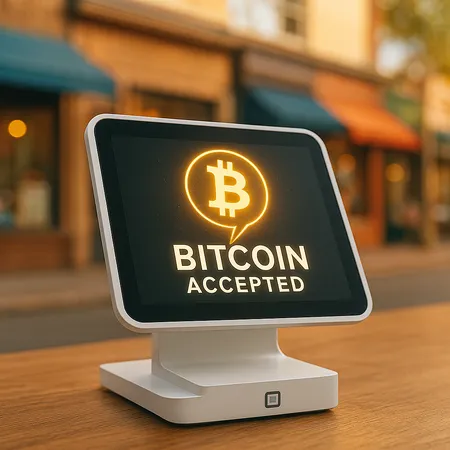
Square officially launched its new Bitcoin Payments feature on Nov. 10, 2025, enabling over 4 million U.S. merchants (New York excluded) to accept BTC at checkout. The feature is built into Square’s point-of-sale system and routes payments over the Lightning Network, designed to make crypto checkouts fast and low-cost. This is a meaningful step toward mainstream retail adoption and signals a larger push to integrate crypto into everyday commerce.
Square opens Bitcoin checkout to merchants
Square’s rollout connects the company’s merchant network directly to the Lightning Network, so payments settle almost instantly at the register. By embedding bitcoin acceptance into existing hardware and software, Square removes a common adoption barrier: complexity. Merchants won’t need a separate app or manual conversion process; the flow resembles a card transaction, with the difference that settlement can be in BTC. This makes crypto payments more comparable to traditional POS experiences and reduces onboarding friction for small businesses.
How the Lightning Network powers instant checkout
The Lightning Network acts as a second-layer payment channel system on top of Bitcoin’s main chain, enabling fast, microtransaction-capable transfers without waiting for on-chain confirmations. For merchants this means lower fees and near-real-time receipts, while customers get a smoother checkout. Square’s implementation prioritizes user experience and settlement speed—key for retail environments—and showcases a practical consumer use-case for layer-2 scaling on the blockchain.
Merchant and market implications
For merchants, accepting bitcoin can open new customer segments—particularly tech-savvy shoppers—and reduce reliance on card networks and their fee structures. For the broader crypto market, this integration could increase on-ramps and fiat-to-crypto flow at the point of sale, potentially boosting BTC utility beyond investment narratives. Payment volume and volatility risk remain considerations; some merchants may opt to immediately convert BTC to fiat while others could hold exposure to bitcoin as part of a differentiated treasury strategy.
Broader effects across crypto verticals
Greater retail acceptance can ripple into adjacent areas like DeFi, NFTs, and memecoins by normalizing crypto balances and wallets among everyday users. Easier payments at checkout may encourage customers to use wallet balances earned or purchased via other products, bridging consumer use-cases with decentralized finance tools and marketplaces. Services such as Bitlet.app and other platforms that combine payments, lending, and installment features could find new growth vectors as crypto becomes a routine payment option.
How merchants can start and what to watch for
Square’s rollout should appear in merchant dashboards and POS settings where Bitcoin Payments can be toggled on. Merchants should review settlement options, conversion preferences (hold BTC vs. convert to USD), and tax reporting implications. Operationally, staff training and clear customer signage will be important to prevent confusion at checkout. Security and chargeback policies differ from card payments, so merchants must ensure reconciliation and support processes are updated.
Bottom line
Square’s Lightning-enabled Bitcoin Payments is a practical push toward mainstream crypto acceptance, lowering friction for both shoppers and merchants. While adoption will vary by region and industry, this move could accelerate how the public interacts with digital assets at the point of sale—and further integrate crypto into the everyday payments landscape.