Brazil Delays CBDC as Central Bank Halts drex Pilot, Repositions Project for Collateral Use
Summary
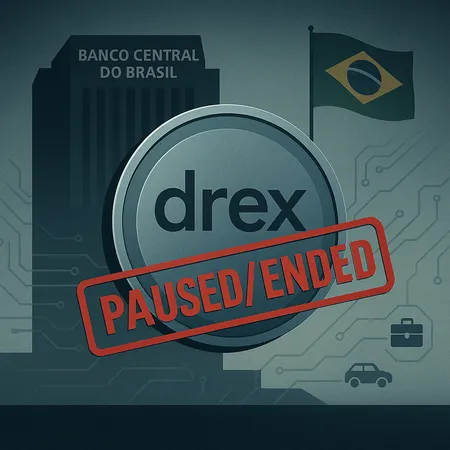
The Central Bank of Brazil has ended its current pilot platform for the drex project — the country's digital currency initiative — and indicated a strategic pivot. Fabio Araujo, who leads the project, said drex will refocus on becoming a platform that helps users use their assets as collateral, effectively pausing earlier plans for an imminent CBDC rollout.
What changed in the drex roadmap
The bank stopped using the technology stack that supported the first two phases of the drex pilot. That platform will no longer be the testbed moving forward, and the program’s objectives have been revised from a traditional CBDC pilot toward building infrastructure for asset-backed use cases.
This is a notable shift: instead of prioritizing a retail-style central bank digital currency, the project will emphasize mechanisms that let assets — tokenized balances, securities, or other holdings — serve as collateral for credit or financial services.
Why this matters for Brazil and the broader crypto market
The decision carries several implications:
1. CBDC timeline and expectations
By stepping back from the original pilot platform, the Central Bank has effectively delayed straightforward CBDC deployment expectations. Stakeholders who expected near-term retail CBDC availability will now face an extended timeline and additional design work.
2. A move toward collateralization and DeFi-like rails
Pivoting drex to support collateral use suggests the bank is exploring ways to bridge regulated fiat infrastructure with programmable finance — a space where DeFi innovations already operate. This could accelerate hybrid models that combine central-bank settlement assurances with tokenized credit products.
3. Market and institutional impacts
Banks, fintechs, and crypto firms operating in Brazil may need to reassess product roadmaps. A collateral-capable drex could open new lending and liquidity solutions, but it also raises questions about custody, risk controls, and regulatory supervision.
Risks and open questions
The pivot resolves some design trade-offs but introduces new complexities:
- Regulatory clarity: How will collateralized digital asset activity be supervised? Will there be distinct rules for tokenized collateral versus traditional collateral?
- Operational risk: Moving away from a proven pilot platform requires new development and testing — increasing short-term operational risk.
- Financial stability: Allowing broad collateralization could amplify leverage if not paired with robust margining and central-bank safeguards.
What this means for users and crypto businesses
For everyday users, the direct impact is likely limited in the near term — there is no immediate retail CBDC rollout. For businesses, however, a drex that supports collateral may create opportunities in tokenized lending, credit marketplaces, and collateral management services.
Firms building on Brazilian rails should monitor regulatory guidance closely and consider how to integrate collateral workflows, compliance tooling, and custody solutions into their product stacks. Platforms like Bitlet.app that offer crypto financial services may find new use cases as tokenization and collateral markets evolve.
How the global crypto ecosystem may react
Other central banks watching CBDC pilots will take note. Brazil’s pivot signals that central banks are still experimenting with use cases beyond simple digital cash — particularly those that interact with market-based credit systems. That could nudge other jurisdictions to prioritize interoperability, collateral frameworks, and prudential safeguards.
Takeaways and next steps
- Key takeaway: Brazil has paused its original drex pilot platform and redirected the project toward enabling asset collateralization, delaying a straightforward CBDC launch.
- Stakeholders should expect a longer development timeline and a focus on infrastructure for tokenized credit.
- Monitor official Central Bank updates and emerging regulation; firms should prepare for integration scenarios that blend central-bank rails with DeFi-style functionality.
For readers tracking broader digital-asset trends, this development highlights the evolving nature of central-bank projects — from digitizing cash to rethinking how assets and credit interact on programmable CBDC rails.
Conclusion
Brazil’s move underscores that CBDC projects are maturing into complex financial infrastructure initiatives rather than simple digital replacements for cash. The pivot toward collateral use cases could unlock productive synergies with tokenization and decentralized finance, but it also raises new regulatory and stability challenges. Market participants should stay nimble: the opportunity is substantial, but so are the implementation and oversight demands.