ZKasino Initiates ETH Refunds After $33M Rug Pull; 35% of Deposits Returned
Summary
Rug pull and immediate fallout
ZKasino, an on-chain gaming project, acknowledged a rug pull that drained approximately $33 million in ETH from user deposits. The announcement triggered swift backlash across social channels as affected wallets surfaced and on-chain trackers confirmed the outflows. Victims reported blocked withdrawals and sudden contract changes before funds were moved, a pattern consistent with many recent exit scams in the space.
Refund progress and scope
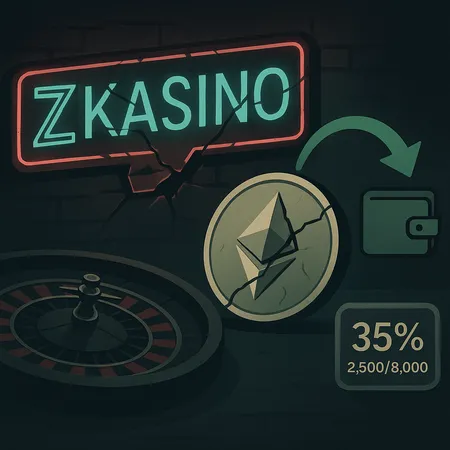
The team says it has begun returning funds and has already reimbursed 35% of deposits, equating to roughly 2,500 of the 8,000 affected addresses. Refunds are arriving in batches rather than full reimbursements, and the project has not yet published a detailed timeline for remaining payouts. Partial refunds can ease immediate pain, but they rarely address longer-term legal or governance questions tied to a rug pull.
Transparency and verification
Independent on-chain analysts recommend affected users verify transactions and keep records for potential legal action. Some community members have called for multisig audits of the refund process and public proof-of-reserve statements to ensure remaining funds are handled transparently.
Market reaction and wider implications
The incident rattled Ethereum-focused communities and contributed to short-term negative sentiment around memecoins and high-risk gaming launches. Observers note this reinforces the need for better due diligence when interacting with unaudited smart contracts and highlights ongoing security gaps in the broader DeFi ecosystem. Exchanges and custodial services may tighten listing standards; meanwhile, on-chain tools continue to improve traceability and recovery efforts.
What comes next for victims and the sector
Affected users should document losses, monitor refund transactions, and consider legal advice where appropriate. Developers and platforms — including consumer-facing services like Bitlet.app — will likely accelerate educational efforts about custody risk and safer onboarding. Ultimately, preventing similar events will require stronger audits, clearer token controls, and faster, more transparent remediation when things go wrong.
Bottom line: ZKasino’s refunds are a step toward restitution, but with 65% of deposits still outstanding and thousands of wallets impacted, the incident remains a cautionary tale for anyone operating in high-risk crypto projects.