Satnotes Launches Bitcoin Banknote ATM Pilot in El Zonte — 500 Sats Notes Roll Out Jan 1, 2026
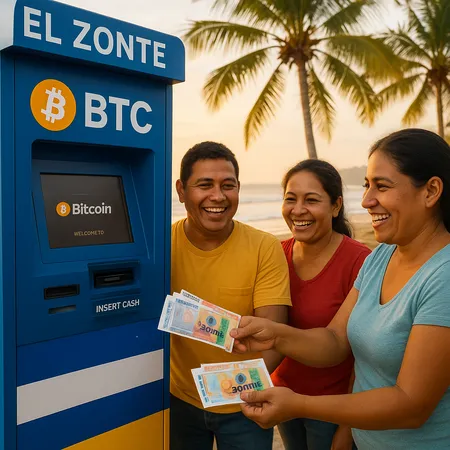
Local Pilot Brings Physical Bitcoin to El Zonte
Starting January 1, 2026, Satnotes will launch a community ATM pilot in El Zonte, El Salvador, distributing printed banknotes each worth 500 satoshis. The move marks another creative step in turning digital Bitcoin balances into tangible, cash-like pieces that can be handed, gifted, or spent in local micro-economies.
What the Satnotes ATM Does
Satnotes' ATM will issue paper banknotes that represent small denominations of Bitcoin — each note valued at 500 sats. While Satnotes' exact redemption mechanism may vary, these notes typically include secure QR codes or PINs that allow the recipient to sweep value into a Lightning or on-chain wallet. The pilot is designed as a community-focused test rather than a commercial rollout, aimed at understanding usage patterns in a Bitcoin-native town.
Why El Zonte? A Natural Testbed
El Zonte — already known as a Bitcoin-friendly beach town — offers a concentrated environment of merchants, residents, and tourists who are more likely to experiment with Bitcoin instruments. That ecology makes it an ideal place to trial a tangible Bitcoin product that lowers the friction of entry for people who may prefer physical cash or want to try small-value transactions.
How This Could Help Adoption
- Onboarding: Physical banknotes simplify first-time experiences. A 500-sat note is a low-risk way for someone to receive Bitcoin without setting up accounts first.
- Micro-economies: Small denominations encourage day-to-day use — tipping, small purchases, or local promotions — which can nurture merchant acceptance.
- Education: Exchanging and redeeming paper sats creates teachable moments about wallets, keys, and Lightning routing.
Bottom line: by converting digital units into an intuitive physical token, Satnotes aims to bridge the gap between traditional cash habits and the digital blockchain economy.
Technical and Practical Considerations
Satnotes must balance convenience with security. Paper notes with QR codes are easy to use but can be copied or exposed if not properly protected. Successful deployments usually combine short-lived claim codes, clear redemption instructions, and public education campaigns. For locals without smartphones, community kiosks or partner merchants could help redeem notes into digital wallets.
There are also network considerations: if notes redeem via Lightning, that reduces fees and speeds redemption; on-chain redemptions would be more costly and slower. Observers will watch whether Satnotes integrates Lightning tooling or relies on custodial flows for quick redemptions.
Economic and Social Impacts for El Zonte
- Tourism boost: Novel Bitcoin souvenirs could attract Bitcoin-curious visitors and create new revenue lines for local shops.
- Financial inclusion: Small, physical sats can reach unbanked residents and recipients of remittances who prefer tangible value.
- Community experiments: A localized pilot allows merchants and residents to test pricing, acceptance, and promotional models before wider rollouts.
Regulatory and Risk Notes
While the pilot is positive for grassroots adoption, physical Bitcoin instruments raise regulatory and anti-money-laundering questions in some jurisdictions. Satnotes' community-first framing and small denominations mitigate large-scale risk, but the company will likely work closely with local stakeholders to stay compliant.
Why This Matters for the Wider Crypto Market
Small-denomination, physical sats are an experiment in user experience and distribution mechanics. If successful, the model could be replicated in other Bitcoin-forward towns or integrated into promotional campaigns, turning passive holders into active participants in the crypto market. For platforms like Bitlet.app that focus on crypto payments, earn products and P2P exchange, such grassroots adoption can create demand for easy onramps, wallet interoperability, and micropayment infrastructure.
What to Watch Next
- Redemption flows: Will notes redeem via Lightning or on-chain? Lightning integration would point to fast, low-cost use.
- Merchant uptake: Are local businesses willing to price items in sats and accept paper notes as change or convert them immediately?
- User education: Will Satnotes pair distribution with community workshops or partner merchants to teach redemption processes?
Conclusion
Satnotes' El Zonte ATM pilot, launching January 1, 2026, is a creative, low-friction experiment to make Bitcoin feel like everyday money. By dispensing 500-satoshi banknotes, the project aims to combine the familiarity of cash with the programmability of digital currency — a small step with potentially outsized effects for local adoption. Keep an eye on the pilot's redemption methods and merchant response; if positive, similar experiments could spread to other crypto-friendly communities.
If you follow grassroots adoption trends in crypto, this is a story worth tracking — and one Bitlet.app watches closely as part of the evolving payments landscape.