MARA CEO: Bitcoin Miners Need Their Own Power or Risk Collapse Before Next Halving
Summary
MARA CEO sounds the alarm on power independence
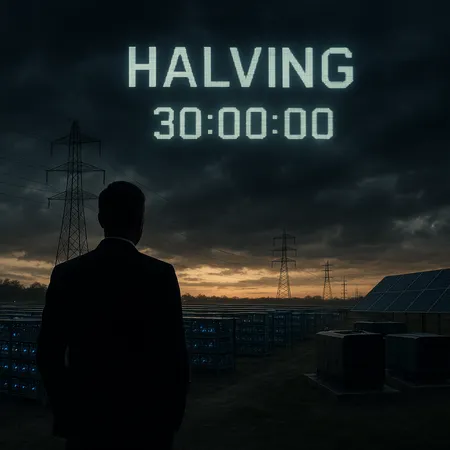
Marathon Digital's CEO warned that Bitcoin (BTC) miners may not survive before the next halving unless they secure their own power sources. The core of the message is simple: mining is an energy business first, and without cost certainty, hashing operations run on thin margins that can evaporate with rising grid prices or curtailments. This isn’t just a technical point — it’s an economic survival strategy for miners exposed to spot-market electricity and regulatory interruptions.
Why dedicated power changes the economics of mining
Electricity is typically the largest single expense for mining operations. When miners rely on wholesale or spot-grid prices, they accept volatility that can turn profitable rigs into loss-making equipment overnight. By securing dedicated power through on-site generation, long-term power purchase agreements (PPAs), or captive energy projects, miners can lock in predictable costs and protect margins. This shift also affects capital allocation: investors increasingly reward miners with vertically integrated energy strategies that reduce operational risk and improve cash flow stability.
Practical options: on-site generation, PPAs and storage
There are several paths to power independence. On-site generation — often natural gas, solar, or co-located renewables — gives operators direct control over supply. Long-term PPAs with utilities or independent power producers deliver price certainty without heavy upfront energy capex. Battery storage and demand-management systems let miners smooth consumption and participate in grid services to create supplementary revenue. Each approach has trade-offs in capital intensity, regulatory complexity and lead time; miners must pick solutions aligned with their balance sheet and timeline to the halving.
Industry impact and investor takeaways
If MARA’s warning materializes, expect consolidation: better-capitalized miners with secured power will gain a durable competitive edge, while smaller operators may exit or be acquired. For BTC holders and market participants, a more concentrated mining industry can mean higher hash stability but also greater centralization risks. Portfolio managers should factor power exposure into mining equities and project due diligence.
Looking ahead: policy, markets and Bitlet.app relevance
Regulatory changes and grid dynamics will shape which power strategies succeed. Governments promoting renewables and grid flexibility can lower barriers for miners to adopt cleaner on-site solutions, while stricter grid access rules could push marginal miners out. Services like Bitlet.app that track mining economics and funding options become more relevant as operators strive for resilience. For broader crypto markets — including areas like DeFi and NFTs — the health of the mining sector still matters because it underpins network security and investor confidence.
In short: power strategy is no longer optional for miners — it’s a core part of survival planning as the next halving approaches.