Brazil Central Bank Tightens Crypto Rules — What Traders and Platforms Must Know
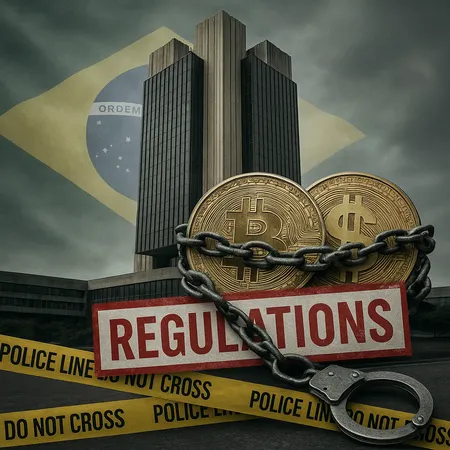
New Compliance Regime Heads to Virtual Assets
On Nov 10, 2025, Brazil’s central bank published a long‑anticipated regulatory package that brings trading of virtual assets like cryptocurrencies squarely under existing anti‑money‑laundering (AML) and counter‑terrorism financing (CTF) frameworks. The rules target virtual‑asset service providers (VASPs) — exchanges, custodians, and brokers — requiring enhanced due diligence, reporting and record‑keeping.
The central bank framed the change as necessary to curb money laundering and terrorism financing risks, but the immediate market reaction has skewed negative as businesses and users evaluate operational impacts.
What the Rules Require — Key Elements
Stricter KYC and Ongoing Monitoring
VASPs must implement robust customer identification procedures, continuous transaction monitoring and risk‑based due diligence for higher‑risk accounts. Expect more frequent identity verifications and suspicious activity reports to regulators.
Registration and Reporting Obligations
The new rules mandate formal registration with the central bank and timely reporting of large or unusual transactions. Platforms will also be required to keep transaction records for a longer retention period and to make them available to authorities on request.
Controls for Cross‑Border Transfers
Special attention is paid to international transfers and relationships with non‑regulated counterparties. The measures include stricter controls for correspondent relationships and additional checks on cross‑border flows.
Why This Matters: Short‑Term Pain, Potential Long‑Term Gain
The announcement tightens oversight on the crypto industry and signals that regulators want to mainstream virtual assets — but not without greater supervision.
- Compliance costs will rise. Smaller exchanges and P2P platforms face higher onboarding, monitoring and reporting expenses that could force consolidation in Brazil’s market.
- Privacy‑sensitive users may migrate to decentralized alternatives or offshore services, creating tension between enforcement goals and market behavior.
- Market liquidity could be affected, especially for smaller tokens and memecoins that depend on light‑touch platforms.
These shifts will ripple through the local blockchain ecosystem and could create both challenges and opportunities for regulated providers.
Impact on DeFi, NFTs and Consumer Access
DeFi and Peer‑to‑Peer Trading
While rules explicitly target VASPs, enforcement may indirectly pressure centralized on‑ramps to DeFi. Expect tighter fiat‑to‑crypto rails and more stringent checks when users move funds on or off ramps — a factor that could slow retail access to decentralised protocols and DeFi services.
NFTs and Smaller Tokens
Platforms listing niche NFTs or memecoins might delist higher‑risk assets to reduce AML exposure. This could dampen speculative trading and hurt creators who rely on broader distribution channels.
What Exchanges, Projects and Users Should Do Now
For Exchanges and VASPs
- Start implementing more automated compliance tooling, AML analytics and improved KYC flows. Manual processes won’t scale under the new demands.
- Reassess token listing standards and counterparty risk policies; prepare for tighter scrutiny of fiat corridors.
- Consider partnerships with licensed custodians or compliance providers to share burden and demonstrate good governance to the central bank.
For Traders and Retail Users
- Expect longer onboarding times and additional verification requests when signing up or increasing limits.
- Use regulated, transparent platforms where possible — unregulated alternatives carry legal and financial risks.
- Keep records of large trades and transfers in case you need to respond to inquiries.
Platforms that combine ease of use with compliance — including services such as Bitlet.app that provide regulated rails and transparent processes — may become more attractive as the market adjusts.
Enforcement, Penalties and Market Outlook
The central bank did not shy away from enforcement: the rules include powers to fine non‑compliant firms and to suspend operations in severe cases. While this raises barriers, it also helps create a predictable legal environment that could attract institutional liquidity over time.
In the near term, volatility and exchange consolidation are likely. Over the medium term, clearer rules may encourage banks and larger financial institutions to offer crypto services — a development that could bring new capital but also reshape product offerings toward lower‑risk assets.
Bottom Line
Brazil’s move to extend AML/CTF rules to VASPs is a significant regulatory shift with immediate negative sentiment among market participants. Expect higher compliance costs, longer onboarding for users, and selective delisting of high‑risk tokens. However, clearer rules can also foster institutional participation and safer consumer access if the industry adapts.
For traders and service providers, the priority is clear: upgrade compliance systems, document activity, and favor platforms that balance user experience with regulatory readiness. The transition will be bumpy, but it marks a decisive step toward integrating virtual assets into Brazil’s regulated financial system.