XRP Breakout March 2026: Technical Setup, Tokenization Momentum, and Zero‑Knowledge Path
Summary
Snapshot: why March 2026 matters for XRP
March 2026 feels different because price, on-chain dynamics, and protocol governance are converging. Technically, XRP has been carving higher lows into a horizontal barrier that many traders now treat as the year's primary technical resistance. Simultaneously, macro and flow catalysts — notably war-driven capital movements and signs of tightened exchange supply — have increased the odds that a decisive breakout could stick. At the same time, XRPL's ecosystem is maturing: tokenized commodities activity is crossing meaningful scale and discussions around adding zero-knowledge primitives are underway, which increases the institutional appeal of the ledger.
The technical setup: higher lows and the resistance in focus
What the charts are showing
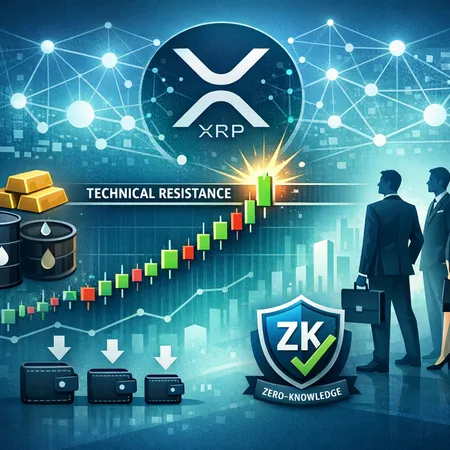
From a price-structure perspective, the defining feature entering March is a series of progressively higher intraday lows that compress price into a horizontal band of resistance. Many active chartists refer to this band as the primary 2026 resistance — a level that has capped rallies earlier in the year and now functions as the decision point between consolidation and trend continuation.
Volume and momentum indicators matter here. A genuine breakout is best confirmed by above-average volume on the break and a failure to quickly reclose below the resistance on a same-day or next-day basis. On the flip side, low-volume spikes that fail to hold or immediate rejections back into the range often produce whipsaw for leveraged traders.
How traders typically operationalize this setup
- Momentum approach: Wait for a clear close above the resistance on daily/timeframe of choice, preferably with volume confirmation and a short consolidation or retest that holds the old resistance as new support.
- Risk-managed approach: Use layered orders (partial entry on the break, add on confirmed retest, stop beneath the most recent higher low) and size to volatility.
For context on the resistance narrative and the higher-low structure, see coverage noting this specific technical barrier and the implications should XRP clear it decisively. (See reporting that highlights the 2026 resistance and the higher-lows build-up: XRP confronts a major 2026 technical resistance).
Why a breakout matters now: flows, supply, and geopolitics
Two non-technical factors are frequently cited by market participants as amplifiers of price moves in early 2026.
- War-driven flows: Periods of geopolitical stress redirect capital and FX flows into crypto corridors in unpredictable ways. Recent reporting ties part of XRP’s 17% rally to these kinds of flows, which can act as one-way liquidity into the asset during acute events (XRP rally amid US–Iran war flows).
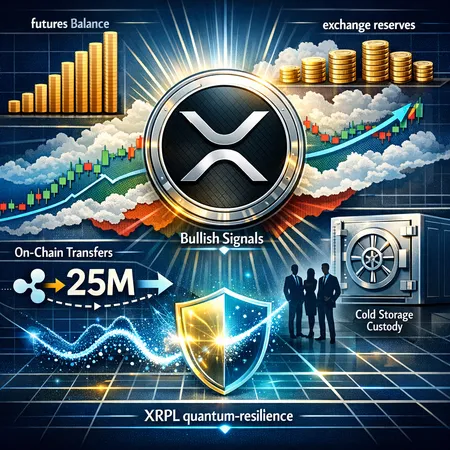
- Tightening exchange supply: Concurrent with those flows, several exchanges have shown lower available XRP balances, reducing on-exchange selling pressure and making order books thinner. In thinner markets, technical levels matter more because smaller net buys can move price more decisively.
Together these elements convert a technical breakout from a chart pattern into a higher-probability market event — but they also increase the chance of fast reverals and volatility. Momentum players like squeezes; risk-averse allocators prefer confirmed follow-through.
XRPL’s institutional case: tokenized commodities and privacy upgrades
Tokenization: real scale, institutional signals
XRPL is no longer just a payments ledger — it is increasingly a platform for tokenized real-world assets, notably commodities. Recent reporting indicates XRPL-based tokenized commodities have crossed the $1 billion milestone, a threshold that tends to attract attention from institutional desks and custody providers because it demonstrates market depth and user demand (Tokenized commodities cross $1B on XRPL).
For institutions, that matters for two reasons: custody and settlement. A ledger that supports regulated, tokenized commodity flows — with market participants already experimenting with issuance and settlement — becomes a candidate for institutional integration, particularly for desks that need fast settlement and composable on-ledger instruments.
Privacy (zero-knowledge) as an institutional enabler
A material barrier for many institutions adopting public ledgers is transaction-level privacy and confidentiality. The XRPL community has discussed proposals to integrate zero-knowledge technology to selectively conceal transaction details while preserving auditability for authorized parties. Proposals and conversations about adding zero-knowledge primitives indicate the ledger is actively addressing institutional requirements for privacy without sacrificing compliance or traceability (XRPL may add zero-knowledge technology).
If XRPL implements ZK-rollup-like or ZK-proof layers — executed in a way that fits RL/AML requirements — it could lower a key adoption hurdle for custodians, asset managers, and commodity traders.
Combined effect on institutional narrative
Tokenization scale + improved privacy = a stronger institutional argument. Firms that previously dismissed public ledgers for settlement or issuance might reconsider, particularly if they can transact off-ledger or in shielded pools with auditable controls. That institutional thesis bolsters the narrative that price moves are not purely retail-driven but tied to expanding real-world use.
Trade and positioning implications
For momentum traders
- Entry rules: Prefer a close above the defined resistance on a daily timeframe with higher-than-average volume. Consider partial fills on breakout and add only after a clean retest that holds.
- Stops: Place stops beneath the most recent higher low or beneath the retest low, depending on risk tolerance. Keep position sizes small enough to survive potential short squeezes and fast retracements.
- Targets: Use prior supply zones and measured-move techniques to set initial targets. Beware diminishing liquidity at higher levels — that can accelerate moves but also create volatile pullbacks.
For risk-managed / institutional observers
- Exposure sizing: Treat any breakout as a signal to begin phased exposure rather than a trigger to allocate full size. Institutions should layer in exposure as off-ledger or on-ledger friction resolves (custody arrangements, KYC/AML checks, settlement rails).
- Hedging: Use options or inverse positions to hedge tail risk around major geopolitical events or regulatory headlines. If derivatives liquidity remains thin, size hedges conservatively.
- Fundamental monitoring: Track XRPL tokenization metrics (issuance volume, custody onboarding) and governance updates on zero-knowledge proposals. These are leading indicators of whether the breakout reflects transient flows or a lasting change in adoption.
Risks and what to watch next
- False breakouts: Thin books and headline-driven flows can produce short, sharp moves that fail to hold. Confirm with volume and retest.
- Regulatory headwinds: Any institutional thesis assumes an acceptable compliance framework. Unexpected regulatory actions can undermine momentum quickly.
- Tech execution risk: Zero-knowledge integration is promising but not trivial; timelines and design trade-offs matter. A delayed or controversial implementation could temper the institutional case.
Practical checklist for traders and allocators
- For momentum trades: Wait for daily close above resistance + volume; manage stops to the latest higher low; size for volatility.
- For allocators: Phase exposure, watch tokenized-commodity growth metrics, and require custody/settlement proof points before committing large positions.
- For both: Monitor exchange supply trends and on-chain flows; a persistent decline in exchange balances increases the credibility of a sustained breakout.
For readers tracking broader market context, it's useful to compare behavior in XRP to other liquid crypto markets — for many traders, Bitcoin still sets the macro tone while shifts in decentralized liquidity and DeFi activity influence where capital prefers to live.
Bitlet.app users and institutional observers should keep an eye on how these technical and protocol developments influence liquidity and custody options available across platforms.
Conclusion
March 2026’s XRP price action is meaningful because chart structure (higher lows into a known resistance) is colliding with macro flows and protocol-level maturation. A confirmed breakout could unlock momentum and bring more institutional attention, particularly as XRPL scales tokenized commodities and explores zero-knowledge privacy features. But traders and institutions must respect the twin realities of thinner liquidity and execution risk: use confirmed signals, layer exposure, and monitor the protocol milestones that will decide whether this rally is a blip or the start of a larger phase of adoption.
Sources
- https://u.today/xrp-breaks-biggest-technical-resistance-of-2026?utm_source=snapi
- https://ambcrypto.com/tokenized-commodities-cross-1b-on-xrpl-whats-behind-this-shift/
- https://www.cointribune.com/en/xrp-ledger-may-add-zero-knowledge-technology-to-protect-transactions/?utm_source=snapi
- https://www.fxempire.com/forecasts/article/xrp-news-today-ripple-token-has-rallied-17-amid-us-iran-war-1585380