Gemini Shares Fall After First Post‑IPO Report Shows Larger‑Than‑Expected Q3 Loss
Summary
Initial Market Reaction
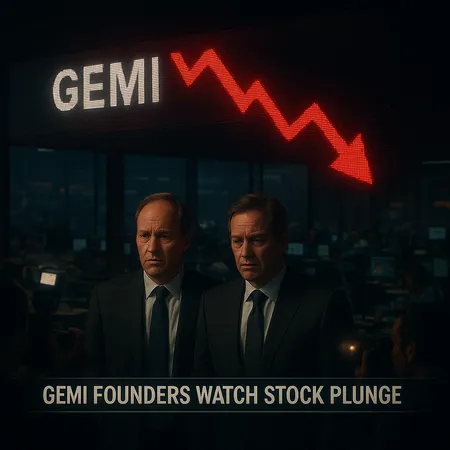
Gemini Space Station (GEMI), the public company formed by Tyler and Cameron Winklevoss, surprised markets with its first post‑IPO earnings release: a larger‑than‑expected third‑quarter loss. Investors reacted swiftly, selling shares as confidence in near‑term profitability softened. The tone of the report — and management commentary — matters more than the absolute number for many players, because this is the company’s first official look at operations as a public entity.
Trading volumes and investor sentiment across the broader crypto market have been volatile this year, and exchanges are no exception. The miss underscores how sensitive market valuations are to profitability signals from major platforms that host everything from spot trading to derivatives and custody services.
What Drove the Shortfall
The company cited a combination of revenue pressure and rising operating costs. While the report did not single out any single cause as definitive, several plausible factors emerge on inspection. First, fee income can fluctuate with trading volumes and asset mix — if activity shifts toward lower‑fee products or if retail flows slow, top‑line growth will be constrained. Second, product investments and compliance costs remain elevated across the industry as regulators and competitors push platforms to beef up controls.
Competitive dynamics have also shifted: newer entrants and established exchanges are battling over market share in spot trading, derivatives and ancillary products. Moves toward tokenized assets and participation in sectors such as DeFi and tokenized collectibles can alter revenue composition, while memecoins and rapid asset cycles continue to introduce episodic spikes rather than steady revenue.
Revenue Mix, Costs and Forward Guidance
Dissecting the numbers suggests a few takeaways. Exchanges that rely heavily on volatile spot volumes or on promotional pricing are more exposed to downturns. Meanwhile, sustained investments in compliance, custody and product development weigh on margins before any uptick in trading revenue materializes.
Management’s outlook and any commentary on cost control will be pivotal. Investors will want clarity on whether the wider loss reflects cyclical weakness in trading activity or a structural shift in revenue mix. Upcoming quarters will reveal how effectively GEMI balances growth initiatives against margin discipline.
What This Means for Users and the Industry
For users and traders — including those on platforms like Bitlet.app — the report is a reminder that exchange economics remain complex and sensitive to both market cycles and strategic choices. A single earnings miss doesn’t seal a company’s fate, but it does raise the bar for deliverable improvements in guidance, product monetization and cost management.
As the crypto ecosystem evolves, observers will watch GEMI’s next moves on product pricing, regulatory spending and expansion into adjacent areas such as NFTs and on‑chain services. Short term, expect continued volatility in GEMI shares; medium term, success will hinge on improving revenue quality and demonstrating sustainable margins.