TAO
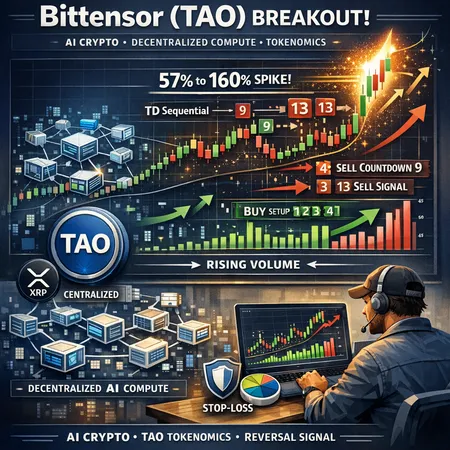
TAO has ripped 57–160% in recent weeks as interest in decentralized AI compute surges. This article breaks down what Bittensor is, the drivers behind the move, technical reversal signals and a practical risk-management framework for traders.

Bittensor positions TAO as a token for an open AI marketplace that pays models and compute providers; its designers borrow Bitcoin-style scarcity to shape long-term token economics. This explainer walks through how the protocol works, why TAO’s scarcity matters, use cases and risks, and tactical entry considerations for investors and developers.

High‑profile praise—from Nvidia’s Jensen Huang to Chamath Palihapitiya—sent Bittensor’s TAO surging in March 2026. This article unpacks the sequence, the tokenomics that amplified the move, and a disciplined framework for separating hype from durable adoption.

Bittensor’s Subnet 3 training a 72B-parameter model across 70+ nodes is a watershed for decentralized AI compute — showing technical feasibility while exposing economic, governance, and operational trade-offs. This article breaks down the architecture, TAO token incentives, enterprise prospects, and the hurdles that will determine whether decentralized training becomes a real competitive layer to centralized labs.