Security
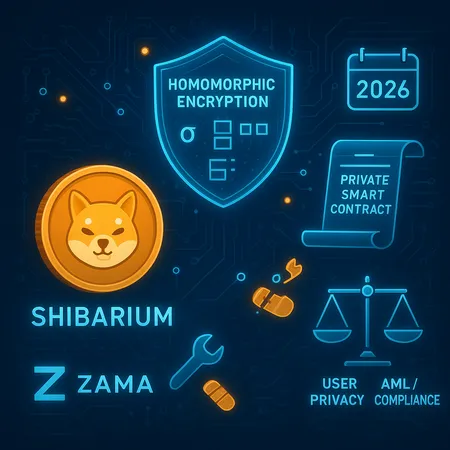
Shibarium plans a 2026 privacy upgrade with Zama promising fully homomorphic encryption (FHE) for private transactions and confidential smart contracts. This article examines the technical promise, deployment tradeoffs after the 2025 exploit, developer hurdles, AML tensions, and how this compares to DA-focused upgrades like Fusaka.

The tokenized real‑world asset (RWA) market could top $16 trillion — but institutional adoption hinges on ironclad custody and security. This guide unpacks practical custody models, compliance guardrails, and tactical steps for projects, exchanges, and regulators to prevent systemic risk.
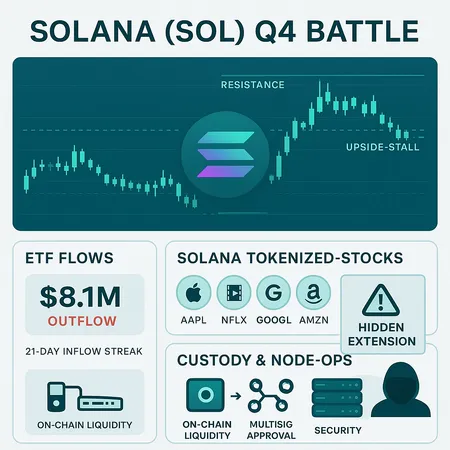
Q4 is shaping up as a decisive stretch for Solana: price action is testing critical resistance even as ETFs register their first outflows and tokenized-stock adoption surfaces novel attack vectors. Funds and node operators must weigh liquidity dynamics against custody and UX risks before redeploying capital.
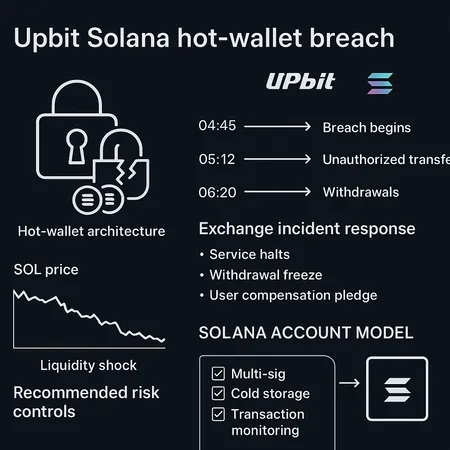
A technical post‑mortem of the Upbit Solana hot‑wallet breach that drained roughly $36–38.8M: what happened, why Solana’s architecture mattered, how exchanges responded, and the controls traders and custodians should insist on.
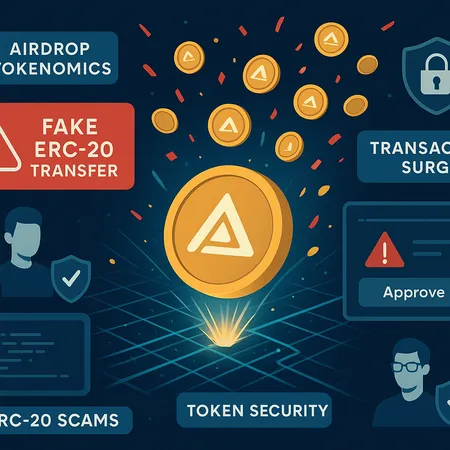
Monad’s mainnet pushed MON prices sharply higher as airdrop-driven transaction demand met speculative FOMO. Days later, fake ERC‑20 transfer attacks exposed a predictable threat for new Layer‑1 launches — and offered clear remediation steps.
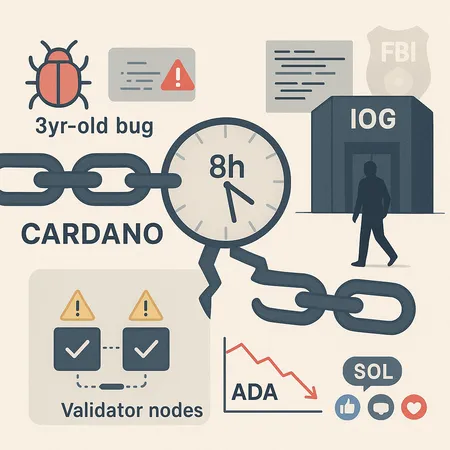
A forensic look at Cardano’s eight‑hour chain split: what went wrong, how the network recovered, and concrete steps validators, auditors, and institutions should take to reduce future PoS risk.
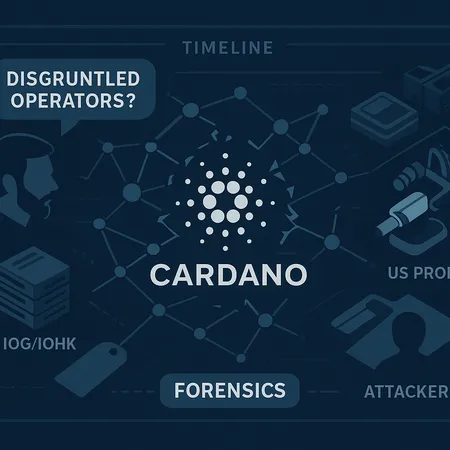
A forensic look at the Cardano mainnet partition, evaluating Hoskinson’s claims about disgruntled operators and placing the incident alongside systemic infrastructure threats like the Bitmain probe. Actionable mitigation and governance recommendations for node operators, exchanges, and protocol stewards.

Decentralized Finance (DeFi) continues to grow but faces significant security challenges, as shown by recent multimillion-dollar hacks. Understanding these events can help users and developers build safer platforms.
Ethereum's upcoming Fusaka upgrade aims to significantly improve scalability and security, setting the stage for better price performance in 2025. Discover how these changes impact the network and what investors should know.

The Ethereum Fusaka upgrade introduces significant enhancements in scalability and security, further boosted by the integration of PeerDAS technology. These improvements aim to optimize blockchain performance, making transactions faster and more reliable. Platforms like Bitlet.app benefit from these advancements, ensuring users experience efficient crypto services.